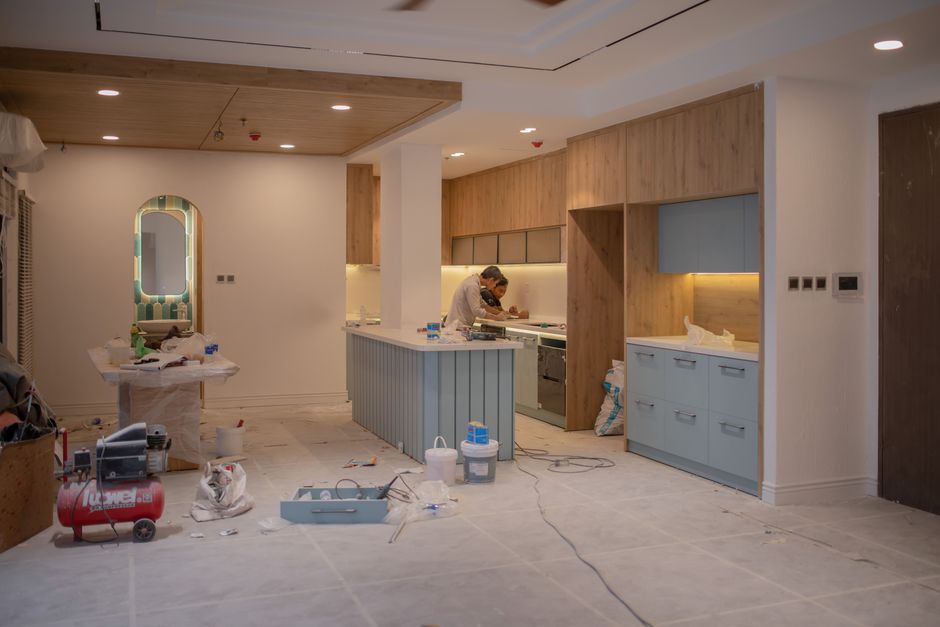
After builders cleaning for Canonbury Road renovations
Posted on 24/06/2026
If you have just finished a renovation on Canonbury Road, you already know the strange in-between stage: the work is done, the room looks new, and yet everything feels covered in a fine layer of dust, paint specks, plaster residue, and that faint smell of building work. After builders cleaning for Canonbury Road renovations is the step that turns a freshly completed project into a space you can actually enjoy, use, and show off without apologising for the mess. It is not just a quick tidy-up. It is the detailed clean that catches what builders, decorators, and even the most careful homeowners tend to leave behind.
This guide explains what the service involves, why it matters, how it works, and what to look out for if you are planning a post-renovation clean in this part of London. If you are also thinking about how the wider property journey fits together, you may find our articles on buying homes in Highbury and what locals think about living in Highbury useful background reading.
Why After builders cleaning for Canonbury Road renovations Matters
Renovation dust is a bit sneaky. It settles into skirting boards, clings to window ledges, hides in plug socket edges, and drifts into places you would not think to check at first glance. A standard domestic clean will improve things, sure, but after building work you usually need a much more detailed approach. That is especially true after kitchen refits, bathroom upgrades, internal redecorations, joinery work, or full property refurbishments where fine dust travels everywhere.
On Canonbury Road, where homes can range from compact flats to larger period properties, renovation cleaning often has to deal with mixed surfaces and older details. Timber, sash windows, delicate plasterwork, and fitted joinery all need a calmer hand than a generic one-size-fits-all clean. Truth be told, that is where many DIY attempts fall down. People clean the obvious surfaces and still end up with a thin dusty film on lamps, inside cupboards, and across the tops of door frames the next morning. Annoying, isn't it?
There is also a practical reason this matters: post-renovation dust can interfere with finishes. Fresh paint can look dull if dust settles on it, and newly laid flooring can lose that crisp, just-installed feel very quickly. If you want the renovation to feel finished rather than simply completed, the clean is part of the project, not an afterthought.
Expert summary: after builders cleaning is not about making a home look "nice enough". It is about removing construction residue thoroughly enough that the property feels safe, presentable, and genuinely ready for everyday use.
For property owners planning longer-term improvements, our guide to real estate investments in Highbury offers a wider view of how presentation and upkeep support value. Renovation and cleanliness go hand in hand, especially when a home is part of a rental, sale, or investment plan.
How After builders cleaning for Canonbury Road renovations Works
After builders cleaning is usually carried out in stages so that dust is removed in a controlled way rather than pushed from one place to another. That matters more than people think. If you start with a damp mop too early, for example, you can turn dust into sticky residue. Not ideal. A proper process usually begins with dry removal, moves into surface-by-surface detail work, and ends with finishing touches and checks.
Most jobs include the following:
- removal of dust, plaster residue, and debris from floors and surfaces
- cleaning of paint spots, tape marks, adhesive traces, and filler dust where appropriate
- vacuuming with suitable filtration for fine renovation dust
- degreasing of kitchens and utility areas if they were part of the build
- deep cleaning of bathrooms, fixtures, and sanitary surfaces
- wiping of skirting boards, doors, handles, frames, sockets, and ledges
- interior window cleaning, plus sill and frame detail
- final polish of mirrors, glass, and accessible fittings
For a Canonbury Road property, the exact method depends on the renovation type. A light redecoration may need dust control and finishing work. A full refurbishment can require a much more comprehensive clean, sometimes across multiple visits if there is ongoing snagging or follow-up trades coming in and out. It is often better to schedule the clean after the main works are done, but before furniture is moved back in. That way, cleaners can reach edges, corners, and floor lines properly without having to work around boxes and sofas.
If you are thinking about how this fits into broader home care, you might also find the company's services overview helpful for understanding the kind of cleaning support commonly requested around renovation projects.
Key Benefits and Practical Advantages
The most obvious benefit is visual. A post-build clean makes the space look finished. But there are several more practical gains that matter just as much, especially if the property is about to be lived in, rented out, photographed, or handed over.
A cleaner handover
Renovation projects often end with a punch list, a snagging round, and a lot of "we'll just sort that later" moments. A proper clean helps separate the completed work from the last bits of debris and gives everyone a clearer sense of what still needs attention. That can save awkward conversations with contractors, too.
Less dust spreading through the home
Fine construction dust has a habit of reappearing for days if it is not removed properly. You wipe one shelf and another grey film appears elsewhere. A systematic after builders clean reduces that cycle and stops dust moving into soft furnishings, vents, and cupboards.
Better protection for new surfaces
Fresh flooring, newly fitted glass, and painted walls all benefit from a careful clean using the right cloths and products. Harsh scrubbing can cause damage; a sensible method preserves the finish. That is especially useful in older Canonbury homes, where materials can be charming but a little temperamental.
More comfortable living conditions
Let's face it, nobody wants to sleep, cook, or work in a room that still feels like a building site. A proper clean restores comfort quickly, which matters if you are living through the renovation rather than moving out during it.
Better first impression for visitors or buyers
If the property is being sold or rented, presentation matters from the first step inside the front door. Clean windows, spotless skirting, and dust-free fixtures create a very different feeling from a space that just had "builders in."
| Outcome | With a quick tidy | With after builders cleaning |
|---|---|---|
| Visible dust | Often remains in corners and on ledges | Removed from high- and low-level surfaces |
| New finish appearance | Can look dulled by residue | Looks crisp and properly finished |
| Usability | May still feel unfinished | Ready for furniture, living, or viewings |
| Time saved | Homeowner keeps going back to clean missed spots | Much less repeat wiping and frustration |
Who This Is For and When It Makes Sense
This service makes sense for anyone who has had meaningful building or decorating work done, but some situations benefit more than others. If the work was tiny, you may only need a light post-project clean. If the job involved sanding, plastering, tiling, demolition, or a full kitchen or bathroom installation, you are almost certainly in after builders cleaning territory.
Typical situations include:
- homeowners finishing a renovation before moving back in
- landlords preparing a refurbished property for tenants
- buyers taking possession after improvement works
- families living in the property while builders have been on site
- homeowners updating one room but finding dust has spread everywhere
- people wanting a polished result for photos, valuing, or sale viewings
In our experience, the question is not usually "Do I need a builders clean?" but "How much cleaning will the renovation actually need?" A quick paint job and a full structural refit are very different beasts. If there was sanding involved, expect dust in places that feel almost comical. Drawer runners. Behind radiators. On top of internal doors. Somehow, even inside a light fitting if the room was open long enough.
For those also managing move-out deadlines, there is a useful overlap with end of tenancy cleaning in Highbury, because both require strong detail work and a good eye for presentation.
Step-by-Step Guidance
If you want the clean done properly, it helps to understand the order of work. A sensible sequence can make the difference between a tidy-looking home and a genuinely finished one.
- Walk through the property first. Check the main renovation areas, but also the adjoining rooms. Dust travels. It always does.
- Remove loose debris. Bits of packaging, plaster crumbs, masking tape, offcuts, and protective coverings should come out before detailed cleaning starts.
- Dry dust from top to bottom. Start with shelves, frames, ledges, lights, and high corners before working down to surfaces and floors.
- Detail clean fixtures and fittings. Switches, sockets, handles, hinges, and skirting boards need careful wiping.
- Vacuum thoroughly. Use equipment suitable for fine dust so particles do not blow back into the room.
- Damp wipe and polish. Once loose dust is gone, surfaces can be cleaned more effectively without smearing residue around.
- Clean glass and reflective surfaces. Windows, mirrors, splashbacks, and internal panels should be streak-free.
- Finish floors last. Hard floors are often cleaned more than once if dust keeps settling after other areas are completed.
- Inspect in natural light. Morning light or daylight from a window often reveals missed patches more clearly than artificial light.
That last point is a small one, but useful. At 8am a room can look spotless under the wrong bulb and then suddenly reveal a line of dust along the skirting when daylight hits it. Slightly rude, really, but helpful.
If your renovation also included soft furnishings or fitted fabric items, it can be worth looking at upholstery cleaning in Highbury and carpet cleaning in Highbury as follow-on services. Renovation dust does not always stop at hard surfaces.
Expert Tips for Better Results
There are a few small habits that make post-renovation cleaning much more effective. None of them are flashy. They just save time and frustration.
Tip 1: wait until the last dusty trade has finished
This sounds obvious, but it is one of the biggest mistakes people make. If electricians, decorators, or joiners still need access, the clean may be wasted within a day. It is better to wait until the heavy work is truly done.
Tip 2: protect new surfaces before cleaners arrive
If you know there will be foot traffic between finished and cleaned rooms, protect floors with the right coverings. The cleaner should remove dust, not avoid muddy shoe prints from someone carrying a toolbox through the hallway.
Tip 3: separate "cleaning residue" from "builder residue"
Some marks are simple dust or adhesive traces. Others are actual damage, such as scratched paint or chipped sealant. A careful cleaner can remove many marks, but not everything should be treated like a dirt problem. That distinction matters.
Tip 4: ask about sensitive materials
Older wood, polished stone, matt paint, and specialist finishes need a considered approach. Harsh chemicals can be too much. The best clean is not the strongest one; it is the one that suits the material.
Tip 5: keep windows open when practical
Fresh air helps clear the last traces of that building smell. On a breezy afternoon it can make the whole place feel lighter, faster.
A small aside: if you have ever cleaned a room after a renovation with a brand-new cloth and then watched it turn grey in ten minutes, you will understand why patience matters. Dust is persistent. A bit stubborn. Like a kettle that decides not to boil when you need it most.
Common Mistakes to Avoid
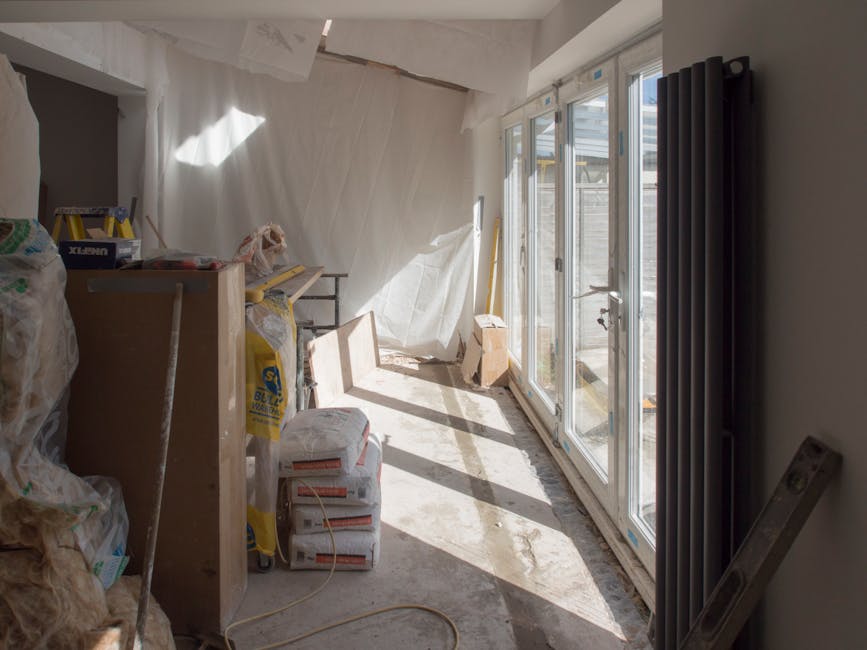
After builders cleaning seems straightforward until you are halfway through and realise the dust has migrated into every possible corner. These are the mistakes that cause the most pain later.
- Starting with wet cleaning too early. This can smear dust and create muddy streaks.
- Forgetting high surfaces. Tops of doors, curtain poles, shelves, and light fittings are easy to miss.
- Using the wrong vacuum. A basic machine may not cope well with fine construction dust.
- Skipping the edges. Corners, skirting lines, and frame edges collect residue very quickly.
- Cleaning before trades are finished. A last-minute snagging visit can undo the whole job.
- Assuming all marks are removable. Some paint splashes or adhesive residues need specialist attention, or careful advice at minimum.
Another common issue is underestimating the size of the job. A single room can take longer than expected if the builder has sanded plaster nearby, and a whole-house renovation can become a much bigger task than it first looked. Better to plan properly than to half-finish and then spend your Saturday chasing dust around with a damp cloth. Nobody needs that level of excitement.
If you want to avoid unpleasant surprises when comparing services, this guide on hidden cleaning charges in Highbury and N5 is a smart place to start.
Tools, Resources and Recommendations
You do not need to turn into a cleaning chemist to understand what a good post-build clean usually relies on. Still, it helps to know the basics so you can judge whether a setup is appropriate.
- Microfibre cloths: useful for trapping dust rather than pushing it around.
- HEPA-filter vacuum equipment: commonly preferred for fine dust control.
- Non-abrasive pads: safer for newly finished surfaces.
- Gentle cleaning solutions: especially important on paint, stone, and sealed wood.
- Extension dusters: helpful for cornices, high ledges, and awkward corners.
- Protective gloves and coverings: sensible for hygiene and surface care.
If you are arranging work across a larger property or mixed-use space, it can also help to review the company's health and safety policy and insurance and safety information. These pages are not exciting, granted, but they do matter when you are letting people work around fresh finishes, steps, and potentially fragile items.
For local businesses or landlords dealing with renovated offices or retail units, office cleaning in Highbury and office and retail cleaning for Highbury businesses may also be relevant after fit-out work.
Law, Compliance, Standards, or Best Practice
For most homeowners, after builders cleaning is a practical service rather than a regulated one, but best practice still matters. If cleaners are using chemicals, working at height for windows or ledges, or moving around a property with ongoing snagging works, they should take sensible precautions and work in line with standard UK workplace safety expectations. That includes appropriate equipment, careful product use, and a cautious approach around electrical fittings or unfinished surfaces.
From a customer perspective, the most useful things to check are fairly straightforward:
- clear communication about what is included
- how delicate materials will be handled
- whether the clean is expected before or after final snagging
- what happens if builders' residue is more stubborn than expected
- how the team approaches safety around partially completed works
It is also reasonable to ask whether the service is suited to your property type. A period home near Canonbury Road may require more careful handling than a modern flat with hard flooring and simple finishes. Neither is better or worse. They just need different judgement.
If you would like to understand the company background and working approach a bit better, the about us page is a sensible next read.
Options, Methods, or Comparison Table
There is more than one way to deal with post-renovation mess, and choosing the right approach usually depends on time, budget, and how much residue is left behind.
| Approach | Best for | Pros | Limitations |
|---|---|---|---|
| DIY clean | Very light decorating jobs | Low cost, flexible timing | Time-consuming, easy to miss fine dust, limited tools |
| Basic tidy-up clean | Small refresh jobs with limited mess | Quick improvement, useful for surfaces and floors | May not remove embedded dust or builder residue |
| Full after builders clean | Renovations with sanding, plaster, joinery, or multiple rooms affected | Detailed, thorough, better finish | Usually takes longer and costs more than a simple clean |
In practice, many people start by thinking they only need the first option, then realise they really need the third. That is not a failure. It is just what happens when dust has had time to settle into every little groove.
If your renovation followed a move or is part of a property changeover, end of tenancy cleaning in Highbury can overlap with the same standards of detail, especially when landlords or tenants want the place ready quickly.
Case Study or Real-World Example
Here is a realistic example from a Canonbury Road-style project. A homeowner completes a kitchen upgrade with new cabinets, refreshed walls, and a floor replacement. The builders leave the room looking transformed, but there is dust on top of the extractor, residue around the skirting, fingerprints on glass, and a thin powder across the hallway from the route used to carry materials.
The owner tries a quick clean first. The counters look better, the floor improves, but the dust keeps coming back from higher ledges and inside drawer edges. A proper after builders clean is then carried out in stages: dry dusting, vacuuming, detailed wiping, glass polishing, and a final check in daylight. Suddenly the room does not just look renovated. It looks finished. The hallway stops shedding dust. The kitchen cabinets feel new, not merely installed.
The biggest difference is not dramatic in the Instagram sense. It is more subtle. The room feels calm. Clean. Usable. No grit underfoot. No powder on the windowsill. No awkward "sorry about the mess" feeling when someone walks in.
That kind of finish is exactly why the service is worth planning properly.
Practical Checklist
Use this checklist before booking or starting after builders cleaning for Canonbury Road renovations:
- Has all building, decorating, and snagging work been completed?
- Have large debris, packaging, and leftover materials been removed?
- Are delicate surfaces, new fittings, and fresh paint clearly identified?
- Do you know which rooms need the most attention?
- Have you decided whether carpets, upholstery, or floors need extra care?
- Will cleaners have access to water, electricity, and parking or entry arrangements where needed?
- Are there any surfaces that should not be treated with strong chemicals?
- Do you need the clean to be done before furniture is moved back in?
- Will you inspect the property again once daylight falls across the surfaces?
- Have you set aside time for any final touch-ups after the main clean?
Practical takeaway: the best results come when the clean is planned as part of the renovation timeline, not squeezed in after everything else has already been moved back. That one detail saves a surprising amount of bother.
If you want to compare service options and see what level of support suits your property, the pricing and quotes page is worth a look.
Get a free quote today and see how much you can save.
Conclusion
After builders cleaning for Canonbury Road renovations is the final step that makes a renovation feel complete. It removes the dust, residue, and small traces of building work that get in the way of enjoying the result. More than that, it protects finishes, improves comfort, and gives the property the clean, settled feel it deserves.
Whether you are moving back into a family home, preparing a flat for sale, or finishing a careful upgrade on a much-loved space, a thorough clean turns the project from "nearly there" into something you can truly live with. And that matters. Especially when the dust has been hanging around for days and everyone is just a little bit done with it, frankly.
Take the time to plan it well, choose the right level of cleaning for the size of the renovation, and leave yourself with a space that feels calm the moment you open the door.