Complaints Procedure for Cleaners Highbury
 A clear complaints procedure is an important part of any professional cleaners Highbury service. It helps ensure that concerns are handled fairly, promptly, and consistently. Whether the issue relates to missed tasks, property handling, punctuality, or the overall standard of a cleaning visit, a well-structured process gives clients confidence that their concerns will be taken seriously.
At the centre of an effective complaints procedure for cleaners in Highbury is a simple principle: every complaint should be acknowledged, reviewed, and resolved in a respectful manner. A service provider should aim to make the process easy to follow, without unnecessary delays or confusing steps. This approach not only protects the customer experience but also supports high standards across all cleaning work.
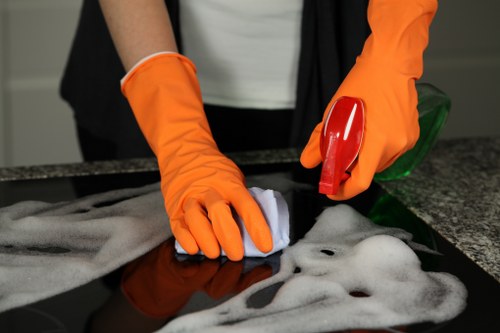 When a complaint is raised, the first step is to record the issue accurately. Details should include the date of the service, the type of cleaning carried out, the specific concern, and any relevant observations. Clear documentation helps prevent misunderstandings and ensures the matter can be assessed properly. In many cases, this stage alone reveals whether the issue was a one-off oversight, a miscommunication, or something that needs a more detailed response.
Once the matter has been logged, the next step in the cleaners Highbury complaints process is to review it objectively. The complaint should be assessed on its facts, not assumptions. This may involve checking the service notes, task list, or internal records. Where necessary, a supervisor or manager may need to examine the issue and decide what corrective action is appropriate. A calm and structured review process helps keep the focus on solving the problem rather than escalating it.
Communication is essential throughout the process. The person handling the complaint should respond clearly, politely, and in a timely way. Even when a complaint cannot be resolved immediately, the customer should be informed about what happens next and when they can expect an update. Using transparent communication shows accountability and helps maintain trust. It also reduces frustration by showing that the issue has not been ignored.
 In some situations, the complaint may concern quality of cleaning rather than conduct or scheduling. For example, a room may not have been cleaned thoroughly, a surface may have been overlooked, or a requested task may have been missed. In these cases, the response should be practical and proportionate. Depending on the nature of the issue, the cleaner may be asked to revisit the property, correct the missed area, or review the instructions for future visits. A fair resolution should always aim to restore confidence in the service.
Another key part of the complaints procedure for cleaners Highbury is deciding how to prevent the same issue from happening again. Complaints should not be treated as isolated events only; they can also highlight areas where service standards, staff training, or booking notes need improvement. By learning from concerns, a cleaning business can strengthen its processes and reduce the chance of repeat problems. This creates a more reliable service for all clients.
The outcome of a complaint should be explained in a clear and respectful way. Depending on the situation, the final response may include an apology, a correction, a service review, or an explanation of what action has been taken. It is important that the resolution is realistic and matches the issue raised. Overpromising can lead to disappointment, while a measured response shows professionalism and honesty. A strong complaints process should always aim for fairness rather than quick dismissal.
It is also helpful to set expected timeframes for each stage of the process. For example, an initial acknowledgement might be given soon after the complaint is received, followed by a fuller review within a reasonable period. Clear timing keeps the procedure organised and helps the customer know what to expect. For a cleaning complaints policy to work well, it should be consistent, easy to understand, and applied in the same way each time.
 Professionalism matters at every stage of the process. Staff members should be trained to handle concerns without becoming defensive or dismissive. A complaint is not simply a problem to be closed; it is an opportunity to improve the service and demonstrate responsibility. In this sense, the complaints procedure supports both customer care and operational quality. It helps build a service culture where issues are addressed properly and lessons are taken seriously.
Confidentiality should also be respected. Any information shared in a complaint should be handled carefully and only used for the purpose of resolving the issue. This is especially important when the matter involves property access, household routines, or personal preferences. A professional cleaners Highbury service should protect privacy while still ensuring that the complaint is investigated thoroughly.
In more serious cases, where a concern involves repeated poor performance or a dispute about service delivery, a formal review may be required. This can include examining previous concerns, checking communication records, and deciding whether further action is needed. A fair complaints procedure should allow for escalation when necessary, while still keeping the process structured and respectful. The goal is always to resolve matters effectively and maintain service quality.
 A well-designed complaints procedure gives customers confidence and helps cleaning services operate more smoothly. It shows that concerns are taken seriously, that staff are held to clear standards, and that improvement is part of everyday practice. For anyone using cleaners Highbury, this kind of process provides reassurance that issues will be handled with care, attention, and professionalism.
Ultimately, the best complaints procedure is one that is simple, consistent, and focused on resolution. It should combine accurate record-keeping, respectful communication, timely action, and a willingness to learn. When these elements are in place, a cleaning service complaints process becomes more than an internal policy; it becomes a reliable framework for maintaining trust and delivering dependable results.