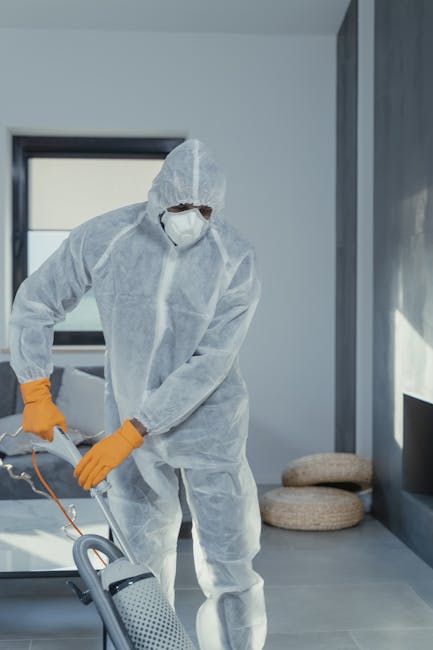
Deep cleaning for listed Highbury homes and Islington consent
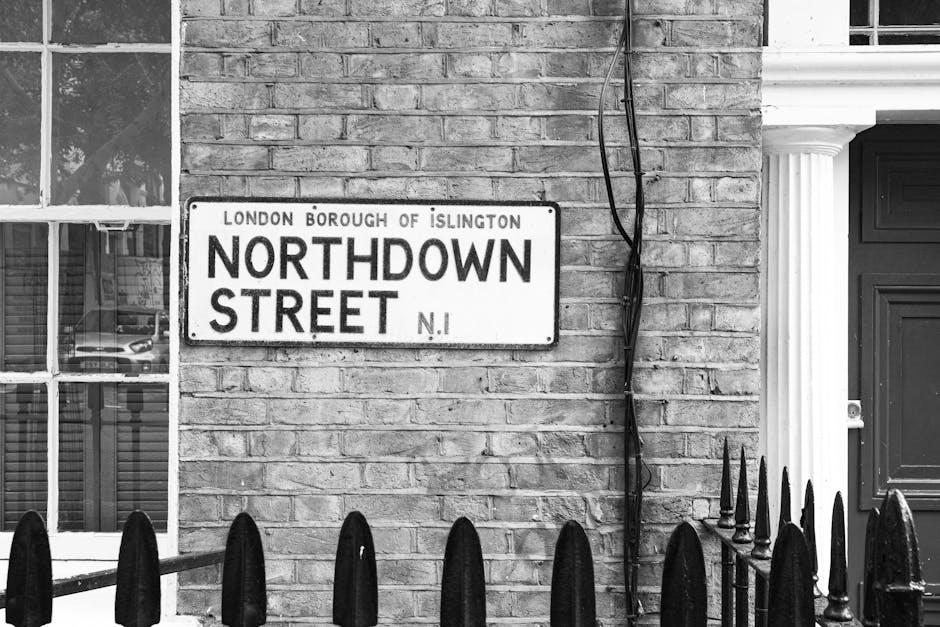
Deep cleaning in a listed Highbury home is never quite the same as cleaning a newer flat. The surfaces may be older, the finishes more delicate, and the rules around alterations or heavy-handed work can be a bit more involved. If you are trying to work out what counts as sensible deep cleaning for listed Highbury homes and Islington consent, this guide walks you through the practical side of it: what usually needs checking, what cleaning methods are normally suitable, and how to avoid turning a straightforward clean into a permissions headache.
Truth be told, most people do not start with the planning side. They start with the obvious stuff: dust in old sash windows, kitchen grease that seems to cling to everything, a faint musty smell in a shut-up spare room, or years of build-up behind appliances. But in a listed property, the real question is not just can it be cleaned? It is how it should be cleaned, and whether anything planned could affect historic fabric or require consent first.
This article covers the essentials in plain English, with enough detail to help you make a calm, informed decision. If you want the broader service context as well, you can also explore deep cleaning, one-off cleaning, and domestic cleaning for related support.
Table of Contents
- Why Deep cleaning for listed Highbury homes and Islington consent Matters
- How Deep cleaning for listed Highbury homes and Islington consent Works
- Key Benefits and Practical Advantages
- Who This Is For and When It Makes Sense
- Step-by-Step Guidance
- Expert Tips for Better Results
- Common Mistakes to Avoid
- Tools, Resources and Recommendations
- Law, Compliance, Standards, or Best Practice
- Options, Methods, or Comparison Table
- Case Study or Real-World Example
- Practical Checklist
- Conclusion
- Frequently Asked Questions
Why Deep cleaning for listed Highbury homes and Islington consent Matters
Listed homes in Highbury often carry charm you simply cannot fake: original plaster, timber joinery, decorative cornices, old stone, maybe a narrow staircase that creaks in a very dignified way. They also carry constraints. Deep cleaning matters because older materials can be damaged by modern products, over-wetting, aggressive agitation, or thoughtless access arrangements. One rough session with the wrong kit can leave more mess than it removes.
And that is where consent comes into the picture. Some cleaning work is routine maintenance and needs no special approval. Other work may cross the line into alteration, repair, or anything that affects the character of the building. In a listed property, that line can be thinner than people expect. A sensible clean should respect the building first and the shine second. A bit less dramatic, a lot more effective.
For owners, landlords, tenants, and managing agents, the benefit of thinking ahead is simple: less risk, fewer delays, and better outcomes. If you are planning a service that touches fragile finishes, specialist stone, historic glazing, or old timber, it makes sense to choose methods with restraint. A careful team will understand when to use a soft approach, when to avoid steam, and when to pause and ask questions before proceeding.
Expert summary: the best deep cleaning in a listed home is usually the least intrusive one that still solves the problem. Protect the fabric, document the plan, and keep any potentially sensitive work separate from routine cleaning.
If you are dealing with a property that has already been renovated, after-build residue, or a moving schedule, related services such as after builders cleaning, move in cleaning, and move out cleaning may also be relevant.
How Deep cleaning for listed Highbury homes and Islington consent Works
Let us keep this practical. Deep cleaning in a listed Highbury home usually starts with an inspection of the property's surfaces, access points, and high-risk areas. The aim is to identify what can be cleaned safely, what needs a gentler method, and what might require owner approval or, in some cases, professional advice before any work begins.
A good process normally looks like this:
- Initial assessment: The cleaner or contractor looks at the rooms, the materials, and any visible vulnerabilities such as flaking paint, loose plaster, water staining, delicate mouldings, or old sealant.
- Scope setting: The tasks are defined clearly. For example, kitchen degreasing and bathroom sanitising may be fine, but scrubbing historic tiles too aggressively may not be.
- Method selection: The plan should match the property. Microfibre, pH-neutral products, low-moisture methods, and careful spot treatment are often safer than brute force.
- Access and protection: Floors, thresholds, and fragile corners are protected. In older houses, this step matters more than people think. A small scratch on old wood can be glaring.
- Execution in stages: Dusting, vacuuming, surface cleaning, detailing, and sanitising happen in a logical order so dirt is not pushed around.
- Final review: The team checks for missed spots, residue, streaking, and any signs the materials reacted badly to the process.
Consent does not usually relate to vacuuming a floor or cleaning a hob. It becomes relevant where the work might affect protected materials, original fabric, or fixed elements of the building. For that reason, a careful cleaning provider should be willing to say, "We can clean this, but we need to treat that area more gently" or, when needed, "That part should be checked before we touch it." That is not hesitation. It is professionalism.
In a busy week, especially if you are balancing removals, decorators, or letting agents, it can help to keep the brief tightly written. If the property has thick carpets, old curtains, or natural stone, the more specific the instructions, the better the result. Related services like carpet cleaning, curtain cleaning, and window cleaning may be useful where the materials and access suit the job.
Key Benefits and Practical Advantages
The biggest benefit of a well-planned deep clean in a listed home is peace of mind. You know the property has been improved without being bullied into submission by harsh chemicals or overzealous methods. That sounds obvious, but it is exactly where many jobs go sideways.
- Better preservation of original features: Gentle methods protect timber, plaster, flooring, and decorative finishes.
- Lower risk of accidental damage: Less abrasion and moisture usually means fewer repair headaches later.
- Cleaner, healthier living conditions: Deep cleaning lifts dust, allergens, grime, and built-up residue from hard-to-reach areas.
- Stronger presentation for sale or letting: A cared-for historic property feels inviting, not tired.
- More confidence around consent-sensitive areas: When the scope is clear, you are less likely to stray into work that needs approval.
- Better maintenance cycle: Regular gentle cleaning often reduces the need for more disruptive work later.
There is also a psychological benefit, if we are being honest. Old homes can feel cluttered and dusty even when they are beautifully kept. A proper deep clean changes the atmosphere. You notice the air feels lighter, the surfaces feel quieter somehow, and the place stops seeming like it is holding on to last year.
For households that need recurring support, regular cleaning can help maintain the standard between more intensive visits. If the property includes specialist flooring, consider hard floor cleaning for a more suitable finish than generic mopping.
Who This Is For and When It Makes Sense
This topic is especially relevant if you are a homeowner in a listed property, a landlord with a period flat, an estate agent handling a heritage listing, or a tenant moving out of a historic rental in Highbury. It also applies to anyone managing a property where the surfaces are older than the usual flat-pack furniture inside them. That old-world charm looks lovely until grease builds up in a Victorian kitchen or a staircase banister starts attracting a layer of sticky dust.
You may need this kind of cleaning when:
- the property is being prepared for sale or let;
- you have just moved in and want a proper reset;
- builders or decorators have left dust, splatter, or debris;
- the property has been empty for a while and now smells stale or damp;
- you need a seasonal refresh before guests, family, or new tenants arrive;
- the home contains delicate materials that need careful handling.
It can also make sense after a long period of regular cleaning that never quite went deep enough. You know the sort of thing: the top of the wardrobe gets ignored, the oven door gets "sort of" cleaned, and the bathroom grout quietly turns a different colour. Happens to the best of us.
If the main issue is end-of-tenancy presentation, the more suitable route may be end of tenancy cleaning. For move-related projects, move in cleaning is often the neatest fit.
Step-by-Step Guidance
Here is a sensible way to approach the job without overcomplicating it.
- Identify the property's sensitive features. Look for original finishes, decorative plaster, untreated wood, old hardware, and any areas that already show wear.
- Separate cleaning from repair. If something is loose, cracked, lifting, or water-damaged, cleaning may not be the first step. It may need a different kind of attention entirely.
- Choose the least aggressive method first. A soft cloth and mild cleaner can solve more than people expect. Start gently, then increase only if needed.
- Work from top to bottom. Dust ceilings, fittings, shelves, and upper ledges before moving to surfaces and floors.
- Tackle grime in the right order. Kitchens often need degreasing first, bathrooms need limescale and sanitising attention, and living areas usually need dust removal and fabric care.
- Use controlled moisture. Many older materials do not enjoy being soaked. A damp approach is often enough.
- Test products in a hidden spot. This is basic but vital. A quick patch test can prevent a costly mistake.
- Finish with ventilation. Open windows where appropriate and let the property breathe. That fresh-air stage matters more than it gets credit for.
A useful practical note: if your property has antique or fitted furniture that cannot simply be shifted around, the cleaner should work around it methodically rather than trying to move everything in one go. That is how chipped skirting and scratched floors happen. Slow is often faster in the long run.
For smaller surfaces and stubborn residue, services like stain removal, oven cleaning, and mattress cleaning can be added selectively instead of using a broad, one-size-fits-all clean.
Expert Tips for Better Results
The difference between an average result and a truly good one is usually in the details. A few small choices go a long way.
- Use product restraint. More cleaner does not mean better. Residue can attract dirt and dull finishes.
- Respect original materials. Lime plaster, old timber, brass fittings, and stone each react differently. Treat them like individuals, basically.
- Work room by room. It keeps the process tidy and reduces the chance of contaminating clean areas with dust from elsewhere.
- Prioritise touchpoints. Door handles, switches, bannisters, and appliance fronts make a surprisingly big difference to how clean a home feels.
- Don't forget the hidden build-up. Behind radiators, under sofa edges, top shelves, and window tracks often hold the real evidence.
- Schedule around access needs. Older homes often have narrow stairs or awkward parking. A smooth start saves a lot of faff.
To be fair, the most useful tip is probably the least glamorous one: document what is being cleaned and what is not. If a room has a fragile ceiling rose or a delicate floor finish, write it down, photograph it, and make sure everyone agrees before work begins. That little bit of admin can save a lot of awkward conversation later.
If fabrics are involved, pair careful cleaning with upholstery cleaning or sofa cleaning rather than trying to force generic methods onto delicate fibres. For rugs, rug cleaning is often the safer route.
Common Mistakes to Avoid
Listed homes tend to expose cleaning mistakes faster than newer properties. The wrong approach can leave visible damage or, at the very least, a result that looks patchy and tired.
- Using too much water: Older materials can absorb moisture and suffer from staining, swelling, or lifting.
- Assuming every surface can take the same treatment: What works on a modern laminate may not suit old varnished timber.
- Scrubbing first and asking questions later: That is how finishes get stripped and details disappear.
- Ignoring consent-sensitive features: Just because something looks dirty does not mean it is safe to attack it with a pad or chemical.
- Forgetting ventilation and drying time: A room that looks clean but feels damp is not a win.
- Skipping patch tests: A five-second check can stop a permanent mark.
A small, slightly annoying truth: some problems are caused by trying to finish too quickly. The human urge to "just get it done" is strong at the end of a long day. But listed homes tend to reward patience. They really do. One rushed pass can undo an hour of good work.
For ongoing care of related areas, you may also want patio cleaning, window cleaning, or communal area cleaning where those spaces form part of a wider building arrangement.
Tools, Resources and Recommendations
You do not need a dramatic toolkit to clean a listed property properly. In fact, a smaller, well-chosen kit is usually better than a trolley full of aggressive products and noisy gadgets.
| Tool or Product | Why It Helps | Best Use |
|---|---|---|
| Microfibre cloths | Lift dust and light grime without scratching | Joinery, shelving, fixtures, delicate surfaces |
| Soft brushes | Reach mouldings and grooves gently | Cornices, vents, skirting, detailed trim |
| pH-neutral cleaner | Lower risk on sensitive materials | General surface cleaning |
| Low-moisture method | Reduces water penetration | Older wood, stone, plaster edges |
| Vacuum with appropriate attachments | Removes dust from hard-to-reach areas | Stairs, upholstery edges, corners, tracks |
| Spot test kit mentality | Helps avoid damaging reactions | Any uncertain surface or finish |
For service planning, it is also sensible to review business basics before any work begins. If you are comparing providers, look at how they talk about safety, payment, and service scope. Pages like health and safety policy, insurance and safety, pricing and quotes, and payment and security can help you judge whether a company takes the job seriously.
If you are dealing with a property that has just had work done, the combination of after builders cleaning and targeted detail cleaning is often more effective than a generic full-house blitz. And if waste or unwanted items are part of the picture, house clearance can be a useful companion service.
Law, Compliance, Standards, or Best Practice
This is the part people sometimes skip, then regret. Listed buildings are not the place to improvise. While ordinary cleaning often sits firmly in the realm of routine maintenance, any action that affects the structure, finish, or character of a listed property can become sensitive. The safest approach is to treat deep cleaning as a careful maintenance activity, not a licence to strip, sand, blast, or aggressively alter surfaces.
Best practice usually means:
- understanding which parts of the property are protected or historically significant;
- avoiding intrusive methods unless they are clearly appropriate;
- using reversible, low-impact cleaning where possible;
- keeping records of sensitive areas and agreed limits;
- checking whether any cleaning-related work may need permission before it starts.
It is also good practice to ensure anyone working in the property is insured, briefed, and capable of handling delicate interiors. That is not just paperwork. It is how you avoid the classic "we thought it would be fine" moment, which never really ends well.
For multi-occupancy buildings or managed properties, the same mindset applies to shared spaces, entrance halls, and access routes. In those settings, commercial cleaning or office cleaning may provide the structure and consistency you need, while still respecting the building's character where relevant.
Options, Methods, or Comparison Table
Not every deep cleaning approach suits every listed home. The right choice depends on the material, the urgency, and how sensitive the property is. Here is a simple comparison that often helps people decide.
| Method | Best For | Pros | Watch Outs |
|---|---|---|---|
| Light-touch manual cleaning | Historic finishes, delicate rooms, regular upkeep | Very controlled, low risk, easy to adapt | Can be slower on heavy build-up |
| Targeted specialist cleaning | Ovens, carpets, sofas, stains, isolated problem areas | Solves specific issues without overworking the whole home | Needs a clearer brief and good product knowledge |
| Full-property deep clean | Move-ins, move-outs, long-empty homes, end-of-tenancy jobs | Comprehensive and efficient | Must be carefully planned in listed interiors |
| Fabric and soft furnishing treatment | Curtains, rugs, sofas, mattresses | Improves smell, hygiene, and appearance | Check fibre type and colourfastness first |
If you are deciding between a broad clean and a more selective one, ask yourself one thing: what actually needs to change in the room? Sometimes it is one stained carpet, one greasy extractor, and a lot of dust in the corners. That is not a whole-house emergency. It is a carefully targeted job.
Case Study or Real-World Example
Picture a Highbury terrace with original features, recently vacated after several years of occupation. The kitchen has grease around the hob, the sash windows have dusty tracks, the hallway skirting has collected grime, and the sitting room smells faintly stale after being closed up through a damp spell. Nothing dramatic, just the usual quiet build-up that older homes collect.
The sensible approach is not to blast everything with strong chemicals and hope for the best. Instead, the clean starts with a walkthrough and a note of the fragile elements: old paintwork, a slightly loose radiator cover, and a decorative plaster detail above the stairs. The kitchen gets focused attention. The oven is handled separately through oven cleaning. The fabric sofa needs a proper fabric-safe treatment, so sofa cleaning is added. The carpets are addressed only where they genuinely need it, and window tracks are cleaned with patience rather than force.
The result is not just that the home looks better. It feels calmer. The light comes through the windows more cleanly, the air moves more freely, and the property stops feeling like it is carrying the last five years on its shoulders. That is the real payoff, honestly.
In a more commercial or shared-property scenario, similar care might be extended through communal area cleaning or even commercial carpet cleaning where the building use requires it.
Practical Checklist
Use this as a quick pre-clean check before work begins.
- Confirm the property is listed and identify any sensitive features.
- Write down which rooms and surfaces are included.
- Separate routine cleaning from anything that could count as alteration or repair.
- Check for delicate paint, old timber, stone, plaster, or fittings.
- Choose low-moisture, gentle products where possible.
- Test on a hidden area before full application.
- Protect floors, edges, and fragile corners.
- Plan ventilation and drying time.
- Assign specialist add-ons if needed, such as carpets, upholstery, or windows.
- Review safety, insurance, and the working scope before the clean starts.
If you are the one arranging the job, keep a copy of the instructions somewhere easy to find. A phone note is fine. A printed brief is better. Old-school, yes, but useful.
For ongoing upkeep after the deep clean, regular cleaning can stop grime building up again so quickly. That is often the easiest win.
Get a free quote today and see how much you can save.
Conclusion
Deep cleaning for listed Highbury homes and Islington consent is really about balance: enough cleaning to restore comfort and hygiene, but not so much force that the building's character is put at risk. That balance is easier to reach when you start with the surfaces, think carefully about the methods, and treat consent-sensitive features with respect.
If there is one takeaway, it is this: the best deep clean is informed, gentle, and deliberate. Not rushed. Not careless. And not designed for a modern flat copied into an old house by accident. When you get it right, the whole place settles. You notice the calm first, then the shine. Lovely, really.
And if you are ready to take the next step, choosing a provider who understands both property care and practical cleaning makes the process far smoother. A careful conversation now can save a headache later - and in a listed home, that is worth a lot.
Frequently Asked Questions
What does deep cleaning mean in a listed Highbury home?
It means a thorough clean that goes beyond regular housekeeping, but with extra care for older materials, original features, and any areas that could be sensitive in a listed property.
Do I need Islington consent for cleaning a listed property?
Routine cleaning usually does not need consent, but anything that could alter, damage, or materially affect protected parts of the building may need checking first. When in doubt, pause and clarify before work starts.
Can I use steam cleaning in a listed home?
Sometimes yes, sometimes no. Steam can be useful on some modern surfaces, but it may be too aggressive for delicate timber, old plaster, or certain finishes. A cautious patch test and surface-specific judgement are essential.
What areas usually need the most attention during deep cleaning?
Kitchens, bathrooms, skirting boards, window tracks, behind appliances, and high-touch surfaces often show the biggest build-up. In older homes, hidden dust in corners and around mouldings is also very common.
How do I protect original features while cleaning?
Use gentle products, low moisture, soft cloths, and careful testing. Avoid abrasive pads and harsh chemicals, and do not scrub historic finishes as if they were new.
Is deep cleaning enough before selling a listed house?
Often it helps a great deal, especially when presentation matters. If there are carpets, upholstery, or stubborn marks, you may need targeted add-ons to get the property looking its best.
What is the difference between deep cleaning and end of tenancy cleaning?
Deep cleaning is a thorough, flexible reset. End of tenancy cleaning is usually more structured and focused on handing a property back in a clean, presentable state, often with particular attention to kitchens, bathrooms, and high-wear areas.
Can deep cleaning remove old smells in a listed home?
It can help a lot, especially when smells come from dust, stale air, fabrics, or neglected corners. Sometimes you also need upholstery, mattress, rug, or carpet treatment for the best result.
How long does a deep clean take?
That depends on the size of the property, the amount of build-up, access, and how delicate the surfaces are. Older homes often take longer because the work has to be slower and more considered.
What should I ask a cleaner before booking?
Ask how they handle delicate surfaces, what products they use, whether they are insured, and how they decide if a surface needs a gentler method. A good provider will answer plainly and without fuss.
Is after builders cleaning useful for listed homes?
Yes, if the property has had renovation work or dust from minor repairs. It is often the right starting point before a deeper, more delicate follow-up clean.
What if the property has carpets, sofas, or curtains that also need attention?
Then it is usually better to treat those separately with the right specialist service, such as carpet cleaning, sofa cleaning, curtain cleaning, or upholstery cleaning, rather than forcing one method across everything.